
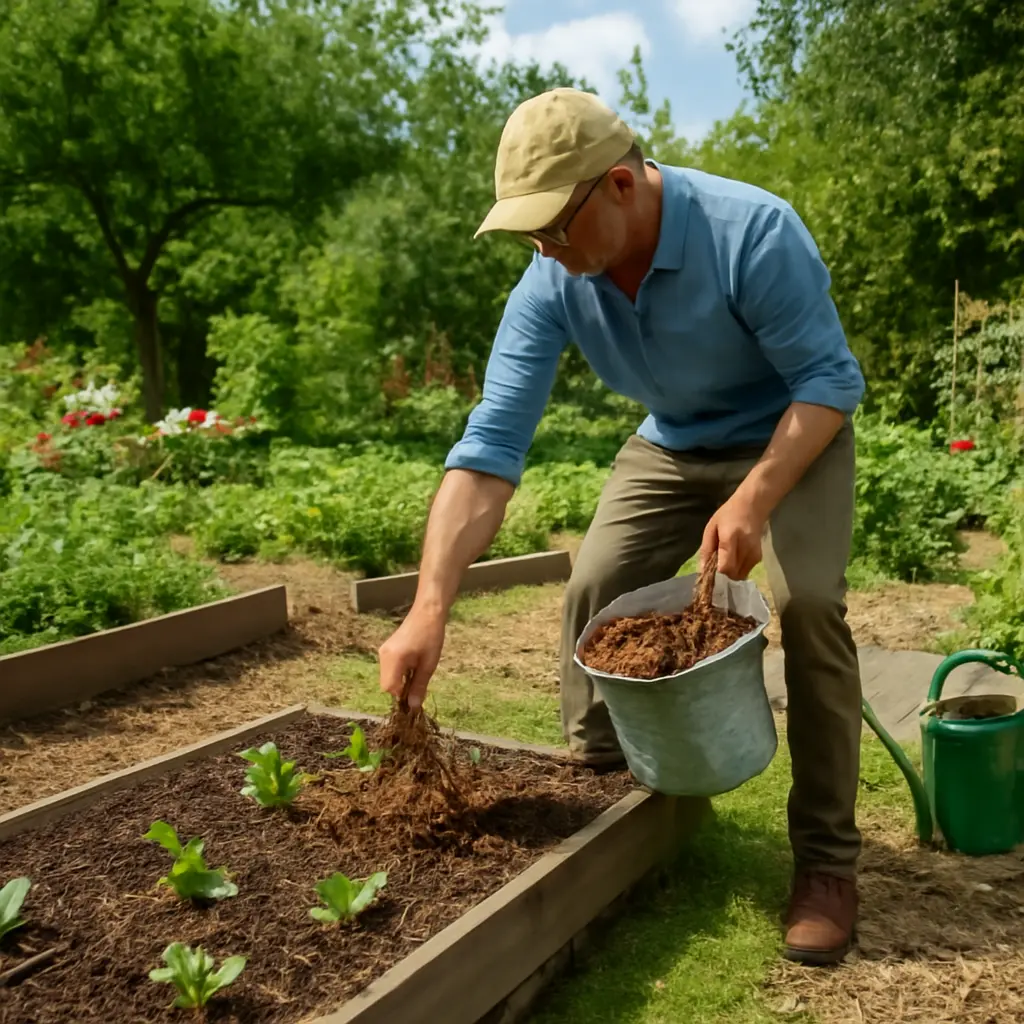
A regenerative garden is a growing space managed to restore soil health, support biodiversity, conserve water, and produce food or flowers while working with natural cycles. You can start one today by disturbing the soil less, keeping it covered with organic mulch, planting a diverse mix of species, and matching watering and planting choices to your local conditions. These practices build on established soil-health principles: the U.S. Department of Agriculture’s Natural Resources Conservation Service (NRCS) identifies soil cover, minimal disturbance, biodiversity, and living roots as core principles for healthier soil.
Build a regenerative garden by improving soil health
Soil health is the capacity of soil to function as a living ecosystem that sustains plants, animals, and people. The NRCS describes healthy soil through related functions such as regulating water, cycling nutrients, and supporting biological activity. In a garden, the goal is not simply to feed a crop for one season; it is to improve the soil’s structure and life over time.
The most useful starting practices are closely connected: protect soil from exposure, reduce unnecessary digging, keep living roots in the ground when practical, and grow different kinds of plants. Together, they can help soil resist erosion, retain moisture, and support organisms that contribute to nutrient cycling. Results vary with climate, soil type, and management, so observe your garden and adjust rather than expecting a single recipe to work everywhere.
Cover bare soil with mulch
Mulch is a protective layer placed over soil. Organic materials such as shredded leaves, straw, untreated wood chips, and finished compost can reduce soil exposure, moderate temperature, and slow moisture loss as they break down. The University of California’s gardening guidance recommends applying mulch while keeping it away from direct contact with plant stems and tree trunks, where excess moisture can encourage problems.
For a practical start, spread a moderate layer of clean, locally available organic material over exposed beds, then check beneath it before watering. Use compost where you want to add decomposed organic matter; use coarser materials such as leaves or straw as a surface cover. Avoid materials that may contain persistent herbicides, treated wood, or weed seeds.
Disturb soil less and protect its structure
Low-disturbance gardening means avoiding repeated deep digging or turning when it is not needed. Soil contains aggregates, pores, roots, and organisms that contribute to air and water movement; frequent disturbance can disrupt that structure. Instead of turning an entire bed each year, add a thin layer of compost at the surface and plant into it, using a hand tool only where needed.
This is not a rule against all digging. Compacted soil, new beds, or specific crops may require targeted preparation. The regenerative approach is to disturb only the area and depth necessary, then keep the bed covered and rooted as much as possible.
Keep living roots in the ground
Living roots are plants growing in the soil, including crops, perennials, and cover crops. Roots help hold soil in place and provide food for soil organisms. After harvesting a bed, sow a suitable cover crop—such as oats, clover, or a locally recommended mix—or plant a follow-on crop rather than leaving the ground bare for a long period.
Choose cover crops for your region and season. Some are used mainly for ground cover, while legumes can contribute nitrogen through relationships with soil bacteria. Local extension services can advise on planting dates, termination methods, and species that will not become invasive or interfere with the next crop.
Increase garden biodiversity with thoughtful planting
Garden biodiversity is the variety of plants and other organisms supported in a growing space. A diverse garden can offer food and habitat across seasons, while different plant forms and rooting depths use space in complementary ways. The National Wildlife Federation recommends native plants as an important way to provide habitat suited to local wildlife; native species are generally adapted to regional conditions, though the best choices depend on the site.
Diversity does not require a large garden. A few herbs, flowering plants, vegetables, and shrubs can create more varied habitat than a single-species planting. Keep some flowers blooming through the growing season, and avoid routine pesticide use that may harm beneficial insects along with target pests.
Choose native plants and pollinator-friendly flowers
Native plants are species that occur naturally in a region without human introduction. Their flowers, seeds, leaves, and growth patterns can support local insects and other wildlife. Select plants for your sunlight, soil moisture, and hardiness zone, and include a sequence of bloom times so nectar and pollen are available across more of the season.
A small pollinator patch can sit beside a vegetable bed or in a container. Grouping several plants of the same species can make flowers easier for pollinators to find. The Xerces Society for Invertebrate Conservation also emphasizes providing nesting habitat and avoiding pesticides, since pollinators need more than flowers alone.
Rotate crops and combine compatible plants
Crop rotation is the practice of changing plant families’ locations over successive growing seasons. It can help reduce the buildup of pests and diseases associated with repeatedly growing the same crop in the same place. In a small garden, keep a simple record of where tomatoes, beans, brassicas, and root crops grow, then shift families when space allows.
Interplanting means growing different crops together or in nearby spaces. For example, a gardener might combine a tall crop with lower-growing herbs or flowers, provided each plant has enough light, water, and room. Treat companion-planting claims cautiously: compatibility depends on conditions, and careful observation is more reliable than assuming every popular pairing improves yields.
Conserve water through climate-aware garden care
Water conservation in a regenerative garden means supplying plants efficiently while helping soil hold available moisture. The U.S. Environmental Protection Agency’s WaterSense program notes that outdoor water use can account for a substantial share of household use in many parts of the country, particularly during dry periods. The exact share varies by location and household, making local water guidance especially important.
Before adding irrigation, improve soil cover, choose plants suited to local rainfall, and water according to actual soil conditions. Watering deeply but less frequently is often more useful for established plants than frequent, shallow sprinkling, though seedlings and containers need closer attention.
Water at the root zone and check soil moisture
Root-zone watering delivers water near the base of plants rather than across foliage or bare paths. A watering can, soaker hose, or properly maintained drip system can reduce unnecessary wetting. Check the soil a short distance below the surface before watering; dry-looking mulch does not necessarily mean the soil underneath is dry.
Water early in the day when practical, and adjust for rainfall, temperature, soil texture, and plant stage. Newly planted seedlings and containers may need more frequent checks than established plants in mulched beds. If using a timer, inspect the garden regularly so irrigation does not continue through rain or changing seasonal needs.
Harvest rainwater where permitted
Rainwater harvesting is the collection and storage of rainfall for later use, commonly from a roof into a covered barrel or cistern. It can supplement garden watering, but the amount collected depends on roof area and rainfall, and local rules may regulate collection. Use screened, covered storage to reduce debris and mosquito access, and follow local public-health guidance.
A rain garden is different: it is a planted depression designed to receive and absorb runoff from a roof, driveway, or other surface. The U.S. Environmental Protection Agency describes rain gardens as a green infrastructure practice that can help manage stormwater. Site them according to local drainage conditions, away from foundations and utilities, and confirm the soil can safely absorb the water.
Start a regenerative garden in one day
A regenerative garden can begin with a small, manageable bed rather than a complete landscape redesign. Start by noticing sun exposure, drainage, existing plants, and how water moves across the site. Then choose a few practices that fit your time and budget.
- Choose a sunny or appropriately shaded spot and identify what you want to grow.
- Test or assess the soil, and consult a local extension service for region-specific advice.
- Prepare only the planting area you need; avoid unnecessary deep tilling.
- Add finished compost if appropriate, then cover exposed soil with clean organic mulch.
- Plant a mix of useful crops and locally suitable flowers or native plants.
- Set up a practical watering method and keep a simple record of planting, harvests, and pests.
- At the end of a crop, leave roots in place when suitable or sow a cover crop to protect the bed.
For example, a gardener with one small raised bed could grow seasonal vegetables, edge the bed with flowering herbs, mulch the open soil, and plant a cover crop after harvest. This modest combination applies soil cover, living roots, and biodiversity without requiring specialized equipment.
Conclusion: Make regenerative gardening a lasting practice
Regenerative gardening begins with practical steps: cover soil, minimize unnecessary disturbance, maintain living roots, increase plant diversity, and use water carefully. Mulch protects the ground, crop rotation and native plants broaden the garden’s ecological value, and climate-aware irrigation helps conserve a limited resource. Start with one bed, observe how it responds, and build on what works in your local conditions.
Take one action today: cover a patch of bare soil, plant a locally suitable flowering species, or plan a cover crop for your next open bed. For further guidance, consult your local cooperative extension, native-plant society, or water agency.
Sources: USDA Natural Resources Conservation Service, Soil Health, https://www.nrcs.usda.gov/conservation-basics/natural-resource-concerns/soils/soil-health; University of California Statewide Integrated Pest Management Program, Mulches, https://ipm.ucanr.edu/PMG/GARDEN/ENVIRON/mulches.html; National Wildlife Federation, Native Plant Finder, https://nativeplantfinder.nwf.org/; Xerces Society for Invertebrate Conservation, Pollinator Conservation, https://xerces.org/pollinator-conservation; U.S. Environmental Protection Agency, WaterSense: Outdoor Water Use in the United States, https://www.epa.gov/watersense/outdoors; U.S. Environmental Protection Agency, Soak Up the Rain: Rain Gardens, https://www.epa.gov/soakuptherain/soak-rain-rain-gardens.