
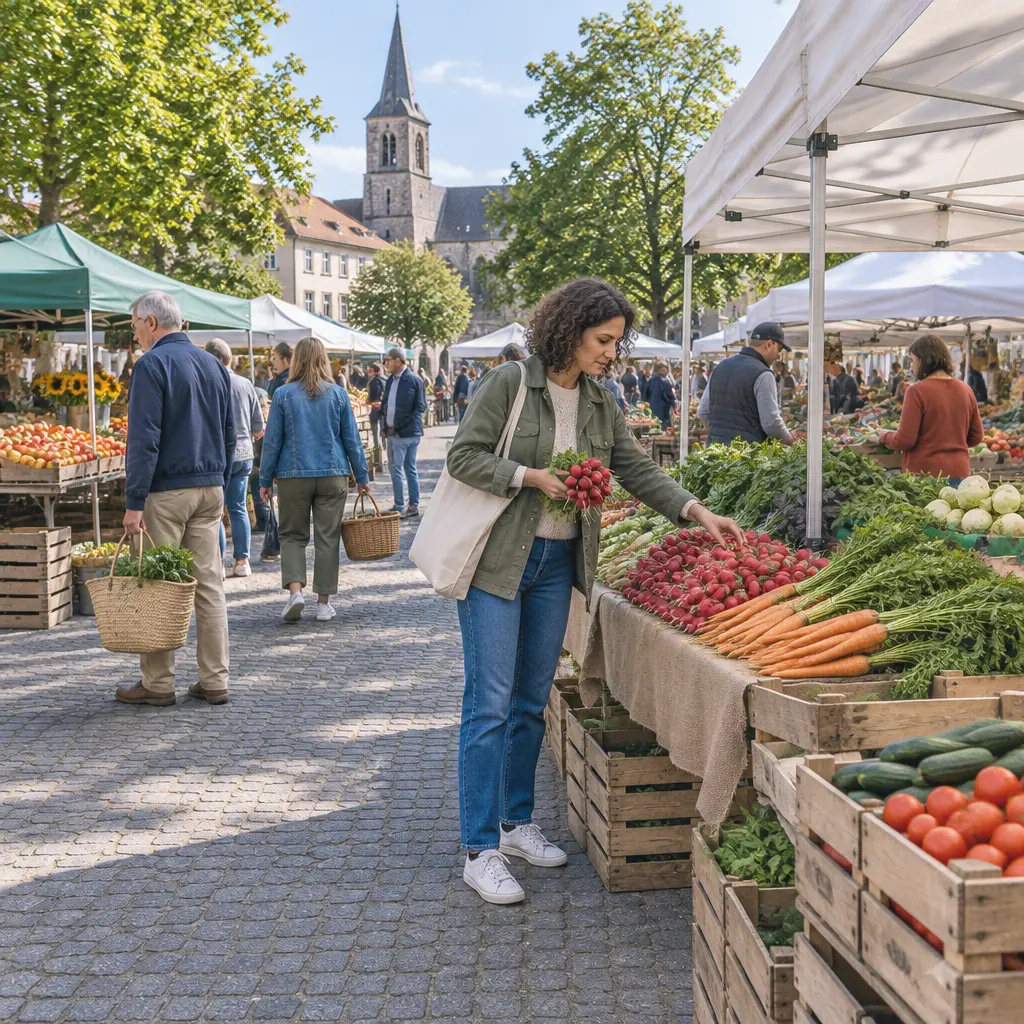
Buying directly from a farm means purchasing food from the producer rather than relying solely on a supermarket or other conventional retailer. For beginners, it can be as simple as visiting a farmers market, ordering a seasonal box, or arranging a farm pickup. The U.S. Department of Agriculture (USDA) counted 116,617 farms selling directly to consumers in its 2022 Census of Agriculture, illustrating how common these options are. This guide explains where to find local producers, how to compare buying options, what to ask about price and food handling, and how to plan purchases around seasonality.
Direct farm buying options and local food producers
A local food producer is a farm or food business that grows, raises, or makes products for sale within a regional market. “Local” has no single federal mileage definition for every food label, so ask how far products travel and where they were produced. Direct-to-consumer sales describe transactions in which the producer sells to the customer without an intervening retail seller. USDA’s 2022 Census of Agriculture reported that farms generated $17.5 billion in direct-to-consumer sales, including sales through farmers markets, farm stands, and other direct channels.
These channels differ in convenience, selection, and commitment. A market visit lets you compare sellers and products in person; a farm stand offers a direct pickup point; and a subscription may provide regular seasonal deliveries. The best fit depends on your budget, transport, cooking habits, and willingness to adapt meals to what is available.
Farmers markets
A farmers market is a scheduled gathering where farms and other vendors sell food directly to customers. USDA’s National Farmers Market Directory can help locate markets, though hours, vendor rules, and seasonal schedules vary. Check the market’s website or social media before traveling, and look for vendor information that identifies the farm or producer. Ask whether the seller grew or raised the product, or is reselling it, since market policies differ.
Farm stands and on-farm stores
A farm stand is a retail point operated at or near a farm, often selling a changing selection of the farm’s own produce and sometimes goods from neighboring producers. It can be a convenient option for seasonal shopping, but opening hours and available inventory may be limited. Check accepted payment methods, parking, accessibility, and whether the stand is staffed before visiting.
Community supported agriculture (CSA)
A CSA is generally a membership or subscription arrangement in which customers pay in advance or on a recurring schedule for a share of a farm’s harvest. Shares may include vegetables, fruit, meat, eggs, or other products, depending on the farm. Because harvests change with weather and growing conditions, a CSA can involve more uncertainty than choosing individual items at a market. Before joining, review share size, pickup arrangements, season length, substitutions, refund terms, and how the farm communicates crop problems.
Online ordering and farm delivery
Some farms take orders through their own websites, online marketplaces, or local food hubs. These systems can make recurring orders and pickup easier, but confirm who grows each item, delivery fees, minimum orders, and handling arrangements for chilled foods. USDA’s Local Food Directories and state or regional agriculture agencies are useful starting points for finding farms, markets, and food hubs.
How to choose a farm and assess its products
Once you know the available channels, compare producers using practical questions rather than assuming that “local” automatically means cheaper, organic, or environmentally preferable. The USDA defines organic production through federal standards and certification rules; a farm’s location alone does not establish that its products are certified organic. Likewise, production methods and animal-care practices vary, so ask for the details that matter to you.
Verify what the farm produces
Ask which products are grown or raised on the farm and which come from partner farms or other suppliers. A straightforward question—“Which of these items are yours?”—can clarify what “farm fresh” or “local” means in that setting. For packaged or processed foods, check the label for the producer, ingredients, storage instructions, and any required inspection or certification information.
Ask about growing and raising practices
Producers can explain how they manage pests, soil, irrigation, livestock feed, and animal access. If certification is important, ask to see the relevant certification or verify the claim through the certifier. USDA organic regulations require certification for most operations marketing products as organic, subject to specified exemptions and exclusions. Terms such as “natural” or “chemical-free” may not convey the same defined standards, so ask what the producer means by them.
Compare prices and value
Prices vary by product, season, production method, packaging, and sales channel. Compare like with like: unit price, quantity, variety, and whether the item is washed, trimmed, or prepared. A larger CSA share may look less expensive per item but can become wasteful if it exceeds your household’s cooking capacity. Start with a small order, note what you use, and adjust future purchases.
Check food safety and storage details
Ask how products should be transported and stored, particularly meat, dairy, eggs, and other perishable foods. The U.S. Food and Drug Administration advises consumers to refrigerate perishable foods promptly and keep a refrigerator at 40°F (4°C) or below. Bring an insulated cooler for a long trip or warm weather, and follow product-specific handling instructions. For meat and poultry, ask about processing and inspection; requirements can depend on the product and how it is sold.
Plan purchases around seasons, quantities, and logistics
Farm buying works best when shopping plans reflect harvest cycles and household routines. Seasonality varies by region and growing conditions, so a local crop calendar is more useful than a generic national list. Your state extension service, farmers market, or farm’s weekly updates can indicate what is currently available.
Use a seasonal approach
A seasonal approach means choosing foods that local farms are harvesting at the time of purchase. It can help you discover varieties and plan meals around abundant crops, but availability is not guaranteed: weather, pests, and harvest timing can change supply. Ask the farm what is plentiful, what is nearing the end of its season, and what keeps well.
Start with manageable quantities
For a first visit, buy a few familiar items plus one product you would like to try. This limits waste while helping you learn how the farm’s sizes and prices compare with your usual shopping. If you are considering a CSA, ask whether the farm offers a smaller share, a trial period, or a sample share before committing to a full season.
Make a pickup and payment plan
Before placing an order, confirm pickup dates, delivery windows, payment methods, cancellation rules, and what happens if you miss a collection. Some farms accept cards or online payments; others may prefer cash or require advance payment. For recurring orders, add pickup times to your calendar and identify an alternative plan for weeks when you are unavailable.
A beginner’s first farm purchase
Consider a household that finds a Saturday market through a regional directory. Before going, the shoppers check which vendors participate and bring a reusable bag and cooler. At the market, they ask two growers what is in season, compare the price and quantity of greens, and buy only enough for meals planned that week. They also ask how to store the greens and whether the farm offers a weekly order list. This small first purchase builds practical knowledge without requiring a subscription or large commitment.
The same approach works for other channels: identify the producer, understand the terms, begin with a realistic quantity, and learn how the product is handled. Over time, a customer can add a CSA share, order pantry staples, or buy directly from a farm specializing in meat, dairy, fruit, or grains.
Conclusion: Build a reliable relationship with local producers
Buying directly from a farm can begin with a market visit, farm stand, CSA, or online order. The USDA’s direct-sales figures show that these channels are a substantial part of U.S. agriculture, but the right choice is personal: compare products and prices, ask clear questions about production and handling, and plan around seasonality and pickup logistics. Start small, keep notes on what your household uses, and use local agriculture directories or extension resources to find producers. A thoughtful first purchase can grow into a practical way to support nearby farms and make local food part of everyday meals.
Sources: USDA National Agricultural Statistics Service, 2022 Census of Agriculture, https://www.nass.usda.gov/Publications/AgCensus/2022/; USDA Agricultural Marketing Service, Local Food Directories, https://www.ams.usda.gov/services/local-regional/food-directories; USDA Agricultural Marketing Service, National Organic Program, https://www.ams.usda.gov/about-ams/programs-offices/national-organic-program; U.S. Food and Drug Administration, Are You Storing Food Safely?, https://www.fda.gov/consumers/consumer-updates/are-you-storing-food-safely